
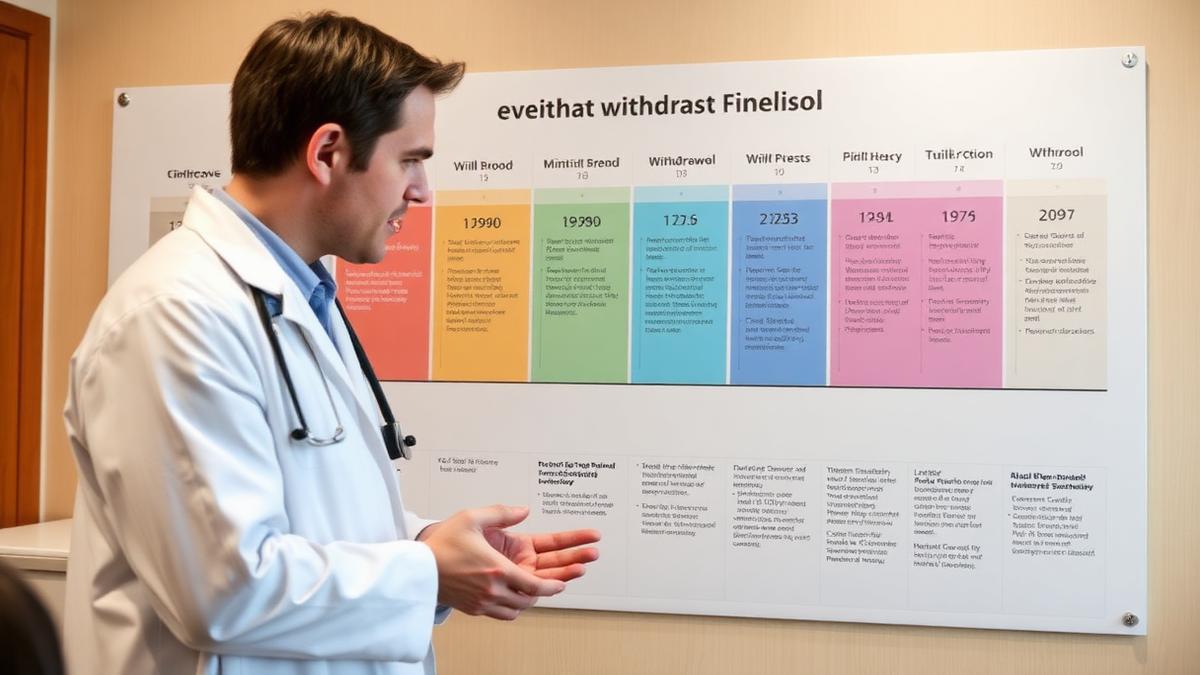
Drug and alcohol withdrawal produces a predictable pattern of symptoms that varies by substance. Understanding the timeline for each substance helps you prepare for what lies ahead and know when to seek emergency medical care.
Withdrawal can be medically dangerous for alcohol, benzodiazepines, and some opioids. Always consult a medical professional before stopping any substance abruptly.
Opioid withdrawal timeline
Symptoms begin 8 to 24 hours after last use for short-acting opioids (heroin, oxycodone) and 24 to 72 hours for long-acting opioids (methadone). Peak symptoms occur at days 2 to 3 and resolve within 7 to 10 days.
- Early: anxiety, muscle aches, insomnia, sweating, yawning
- Peak: nausea, vomiting, diarrhea, abdominal cramps, dilated pupils
- Late: lingering fatigue, depression, cravings
Benzodiazepine withdrawal timeline
Onset depends on the specific benzodiazepine. Short-acting (Xanax): 6 to 12 hours. Long-acting (Valium): 24 to 72 hours. Peak symptoms at 1 to 2 weeks. Protracted withdrawal can last months.
- Anxiety, panic attacks, and insomnia
- Seizures (potentially life-threatening)
- Tremors, muscle tension, and sweating
- Perceptual disturbances and sensitivity to light and sound
Stimulant withdrawal timeline (cocaine, meth)
Crash phase begins within hours of last use. Peak symptoms occur at days 2 to 4. Most symptoms resolve within 1 to 2 weeks, though depression and cravings can persist for months.
- Extreme fatigue and increased sleep
- Depression and anhedonia
- Increased appetite
- Vivid dreams
- Irritability and agitation
Marijuana withdrawal timeline
Symptoms begin within 24 to 72 hours, peak at days 4 to 6, and typically resolve within 2 to 3 weeks. Symptoms include irritability, anxiety, sleep disturbance, decreased appetite, and cravings.
When to seek emergency help
- Seizures or convulsions
- Severe confusion or hallucinations
- Chest pain or difficulty breathing
- Suicidal thoughts
- Uncontrollable vomiting with inability to keep fluids down
- Fever above 103°F
Frequently asked questions
Which withdrawal is most dangerous?
Alcohol and benzodiazepine withdrawal are the most medically dangerous and can be fatal without treatment. Opioid withdrawal is extremely uncomfortable but rarely fatal in healthy adults.
Can withdrawal be managed at home?
Mild withdrawal from some substances can be managed at home with medical guidance. However, alcohol, benzodiazepine, and severe opioid withdrawal should always be managed in a medical setting.
Share this article:
Related Articles
Continue exploring topics related to this guide.
Detox Timeline: What to Expect During Withdrawal
A detailed look at withdrawal timelines for different substances and what happens during medical detox.
10 min read
Dual Diagnosis: Understanding Co-Occurring Disorders
How mental health conditions and addiction interact, and why integrated treatment is essential.
9 min read
How to Help a Loved One Struggling with Addiction
Practical guidance on supporting a family member or friend through addiction while maintaining healthy boundaries.
10 min read
Medication-Assisted Treatment (MAT): What You Need to Know
Understanding how medications like Suboxone and Vivitrol support addiction recovery.
11 min read
Relapse Prevention: Strategies for Lasting Recovery
Proven techniques and strategies to prevent relapse and maintain long-term sobriety.
11 min read
English-Speaking Rehab Centers in America: What International Patients Need to Know
Language shouldn't limit your treatment options. Find American programs designed to serve international English-speaking patients.
8 min readYou May Also Like
FMLA and Addiction Treatment: Your Employee Rights in 2026
Getting StartedHow to Pay for Rehab Without Insurance: 10 Real Options for 2026
Insurance & PaymentSigns of Relapse: The 3 Stages and What to Do Before They Escalate
RecoveryWhat to Bring to Rehab: The Complete Packing List for Inpatient Treatment
Getting StartedEssential Guides
Comprehensive resources to support your recovery journey.
Explore Treatment Options
Find the right treatment approach for your recovery journey.