
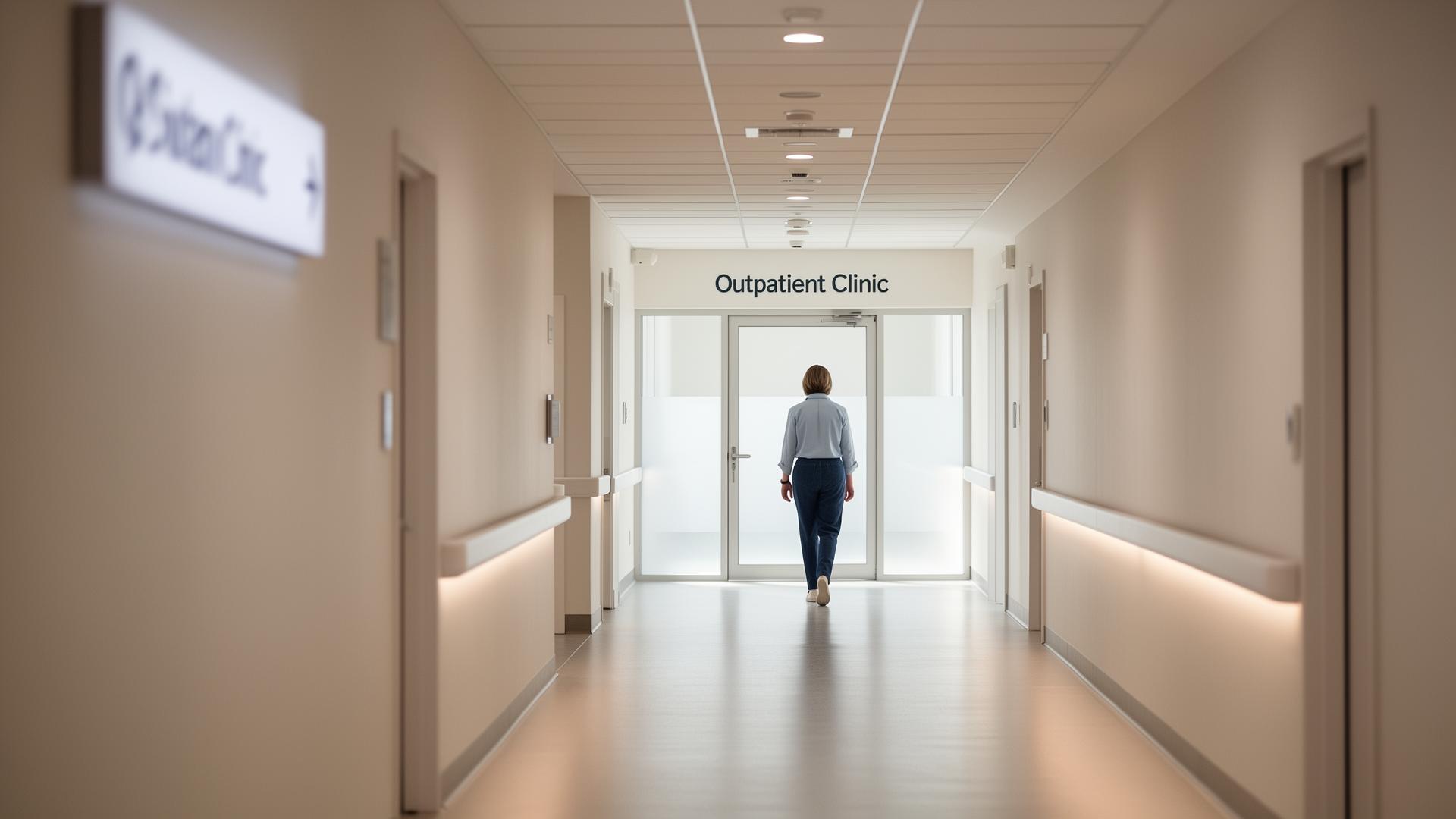
Outpatient treatment is not one thing. It exists on a spectrum, from highly structured day programs to weekly therapy. If you are deciding between PHP, IOP, and standard outpatient, the goal is simple: choose the lowest level of care that is still safe and effective for your situation.
Quick definitions
- PHP (Partial Hospitalization Program): structured day treatment, typically 5 to 6 days per week
- IOP (Intensive Outpatient Program): multiple sessions per week, often 3 to 5 days
- Standard outpatient: 1 to 2 sessions per week, sometimes more
PHP: who it is best for
PHP is a strong choice when you need daily structure but do not require 24/7 residential care. Many people use PHP as a step-down after inpatient, or as a step-up when standard outpatient is not enough.
- Moderate to severe substance use disorder with high relapse risk
- Co-occurring anxiety, depression, or trauma symptoms that need frequent support
- Limited structure at home but a safe place to sleep
- Recent relapse or unstable early recovery
IOP: who it is best for
IOP provides intensive therapy while allowing you to work, care for family, or attend school. It is common after detox or residential care, and it can also be a starting point for people with stable housing.
- You can stay sober between sessions with support
- You need skills training, relapse prevention, and accountability
- You have a safe living environment and transportation
- Your schedule requires flexibility
Standard outpatient: who it is best for
Standard outpatient typically includes weekly therapy, group sessions, or both. It works best when risk is lower and you already have stable recovery supports.
- Mild substance use disorder or strong progress after higher care
- Stable mood and manageable cravings
- A supportive home environment
- Reliable recovery routines (meetings, sober network, healthy schedule)
How to choose: 6 questions that clarify the right level
- 1) Is withdrawal medically risky or intense? If yes, start with detox.
- 2) Can you stay sober for 24 to 48 hours without clinical support?
- 3) Is your home environment safe and substance-free?
- 4) Do you have co-occurring mental health symptoms that flare under stress?
- 5) Have you relapsed after outpatient before?
- 6) Do you have daily structure (work, school, family) that supports recovery?
Typical weekly time commitment
- PHP: often 25 to 35 hours per week
- IOP: often 9 to 15 hours per week
- Standard outpatient: often 1 to 4 hours per week
What better really means
Higher intensity is not automatically better. The best program is the one you can attend consistently, that matches your risk level, and that connects you to ongoing support after discharge.
If you are unsure, ask for an assessment and be honest about relapse history, mental health, and home safety. Getting the level of care right is one of the biggest predictors of early success.
Share this article:
Related Articles
Continue exploring topics related to this guide.

Dual Diagnosis: Understanding Co-Occurring Disorders
How mental health conditions and addiction interact, and why integrated treatment is essential.
9 min read
Medication-Assisted Treatment (MAT): What You Need to Know
Understanding how medications like Suboxone and Vivitrol support addiction recovery.
11 min read
Relapse Prevention: Strategies for Lasting Recovery
Proven techniques and strategies to prevent relapse and maintain long-term sobriety.
11 min read
English-Speaking Rehab Centers in America: What International Patients Need to Know
Language shouldn't limit your treatment options. Find American programs designed to serve international English-speaking patients.
8 min read
Executive and Professional Rehab Programs: Privacy and Quality Care
Explore treatment options designed for executives and professionals who need privacy and flexibility.
8 min read
How to Start a Treatment Center: A Comprehensive Business Guide
Thinking of opening an addiction treatment facility? This guide covers licensing, funding, staffing, and everything else you need to know.
15 min readYou May Also Like
FMLA and Addiction Treatment: Your Employee Rights in 2026
Getting StartedHow to Pay for Rehab Without Insurance: 10 Real Options for 2026
Insurance & PaymentSigns of Relapse: The 3 Stages and What to Do Before They Escalate
RecoveryWhat to Bring to Rehab: The Complete Packing List for Inpatient Treatment
Getting StartedEssential Guides
Comprehensive resources to support your recovery journey.
Explore Treatment Options
Find the right treatment approach for your recovery journey.